The timely movement of high-volume freight requires more than mere capacity—it demands structured planning, awareness of compliance requirements, and operational discipline. Industries moving large quantities of goods should align their transportation strategies with the timelines of their production units, safety requirements, and cost constraints.
Bulk carrier shipping models provide a structured way to meet these demands, thereby keeping efficiency in the logistics lifecycle.
Bulk Carrier Operations Planning
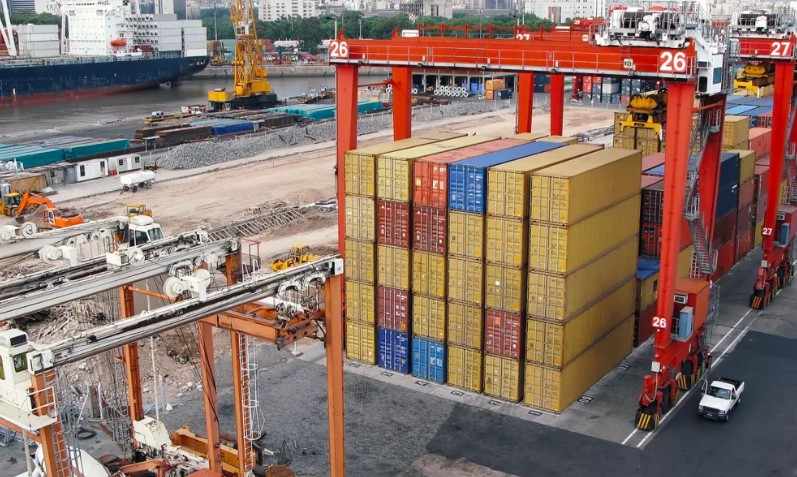
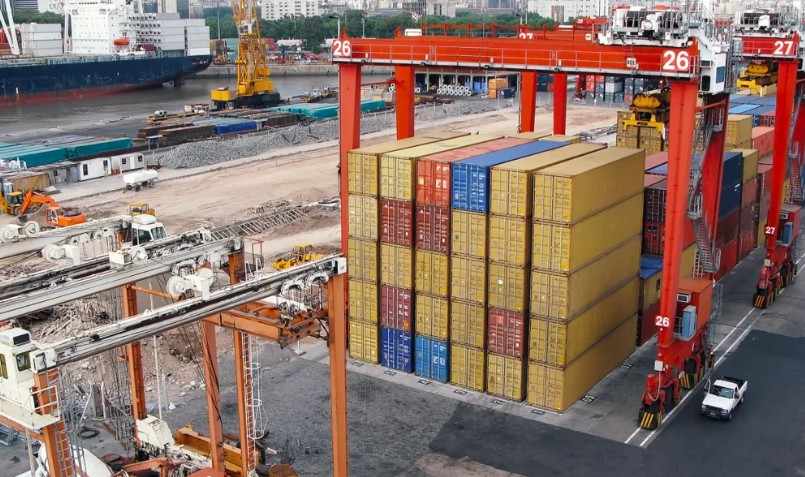
High-volume freight can be moved easily if transported using a bulk carrier in ballast mode; transportation according to the model involves fewer intermediate stages and very straightforward coordination. This enables more efficient fixed scheduling with minimal delays from excessive transshipment.
Built-in bulk planning that anchors material flow for the process operation beefs up reliability against failures and minor downstream process disturbances.

Phases of Regulatory and Safety Compliance in the Bulk Transport Industry.
Bulk carrier companies operate within strict safety and compliance frameworks that include equipment standards, load limits, and driver qualifications. Developing such requirements protects cargo, personnel, and infrastructure. Companies profit when working with carriers whose main concern is compliance, thus reducing liability risks and ensuring the continuous movement of freight.
Operational Efficiency in Bulk Carrier Shipping
Bulk carrier shipping improves operational efficiency by loading freight in larger, optimized loads. Fewer shipments mean reduced administrative duties, better dispatch coordination, and optimal equipment use. These great efficiencies for the logistics team help them focus on planning and controlling performance rather than being diverted by day-to-day shipment troubleshooting.
Flexibly Handling Volume Fluctuation Ranges
Do you require a bulk cargo carrier to manage fluctuations in shipment capacities due to seasonality and project work? Bulk transport systems can readily absorb volume changes without any substantial operational changes. Having such flexibility means the business can maintain high service levels while responding swiftly to market conditions.
Performance Monitoring and Cost Control
A well-established bulk carrier shipping agency pairs trip optimization with scheduled reporting monitoring performance. By tracking trip time and monitoring fuel consumption and equipment use, a decent carrier should rectify inefficiencies before they blow out of proportion. All these long-term capabilities may provide the insight to smoother, controlled transportation costs for the business.
Risk Mitigation in High-Volume Freight Movement
By reducing operational risks associated with cargo handling, bulk carriers reduce cargo contact and lower exposure to delays. Shipments with lower re-occupancy risks can better withstand contract handling damage because of the time-sensitive, high-value cargoes. Continuing operations can guarantee better coordination among suppliers, carriers, and receivers.
Conclusive remark: Operation Assurance with KCH Transportation
Solid and efficient bulk carrier shipping operations depend on organizational structures, reliability, and disciplined execution. KCH Transportation, a bulk carrier contractor, provides bulk cargo movement solutions for high-volume shipments by emphasizing strict compliance, high-volume capacity, operational efficiency, and low-risk operations.
This trusting relationship with KCH means that the foundations of your bulk cargo shipping business are run prudently, efficiently, and on the strength of potential futures.



Write a comment ...